
No products in the cart.

Wet Dog Food vs. Raw Feeding: Which Is Healthier?
If you’re a dog parent in Qatar, you’ve likely heard the ongoing debate about whether wet dog food or raw feeding is healthier. Both have passionate supporters, but the truth is — every dog’s nutritional needs, lifestyle, and health condition are unique. Understanding the difference between these two diets can help you make the best decision for your furry companion’s well-being.
At First Vet, we know that good nutrition is the foundation of a healthy, happy dog. Let’s take a closer look at what sets wet dog food in Qatar apart from raw feeding, and which might be the right choice for your pet.
What Is Wet Dog Food?
Wet dog food, often found in cans or pouches, contains high moisture content and is made from cooked meats, vegetables, and grains. Many wet dog foods feature a savory gravy, which enhances the meal’s appeal and texture. It’s designed to provide complete and balanced nutrition in a ready-to-serve form.

This type of food is especially beneficial for dogs that don’t drink enough water or prefer softer textures. For instance, options like Leo’s Puppy Chunks with Chicken and Turkey are ideal for growing pups because they’re packed with protein and moisture, making every bite delicious and easy to digest.
Key Benefits of Wet Dog Food
- Hydration Boost: With 70–80% water content, it helps keep your dog hydrated, especially in Qatar’s warm climate.
- High Palatability: Its aroma and texture make wet dog food especially appealing to even picky eaters.
- Gentle on Teeth: Great for puppies, seniors, or dogs with dental issues.
- Balanced Nutrition: Most wet foods are fortified with essential vitamins, minerals, and amino acids.
Wet food is also convenient — no prep time, no mess, and easy to store. You simply open, serve, and watch your dog enjoy.
What Is Raw Feeding?
Raw feeding, often referred to as the “BARF” diet (Biologically Appropriate Raw Food), mimics what dogs would eat in the wild. It includes raw meats, bones, fruits, and vegetables — usually prepared fresh at home or bought from specialized suppliers — and relies on natural ingredients to provide nutrition.
While this approach aims to deliver unprocessed, natural nutrients, it also requires careful handling and planning. Improperly balanced raw diets can lead to nutrient deficiencies or foodborne illnesses if not managed properly.
Potential Benefits of Raw Feeding
- Natural Enzymes & Nutrients: Cooking can destroy some enzymes and vitamins, so raw food preserves them.
- Healthier Coat & Skin: Some owners report shinier coats and less shedding.
- Better Muscle Tone: The high protein content and diverse protein sources, such as chicken, beef, lamb, and fish, support lean muscle development.
- Smaller Stools: Due to reduced fillers and additives.
However, raw feeding is not without challenges. You must maintain strict hygiene, monitor your dog’s calcium-to-phosphorus ratio, and ensure the diet meets your pet’s exact needs — especially for puppies, pregnant dogs, or those with medical conditions.
Comparing Wet Dog Food and Raw Feeding
Here’s how the two compare across key factors:
1. Nutrition and Balance
Commercial wet dog foods are formulated by experts to meet AAFCO (Association of American Feed Control Officials) standards. These standards ensure the food provides a balanced diet for dogs. They provide a reliable, balanced mix of protein, fat, fiber, and essential micronutrients.
Raw diets, while natural, rely heavily on the pet parent’s ability to balance nutrients correctly. Without careful formulation, your dog may miss vital elements like calcium, zinc, or vitamins A and E.
2. Digestibility
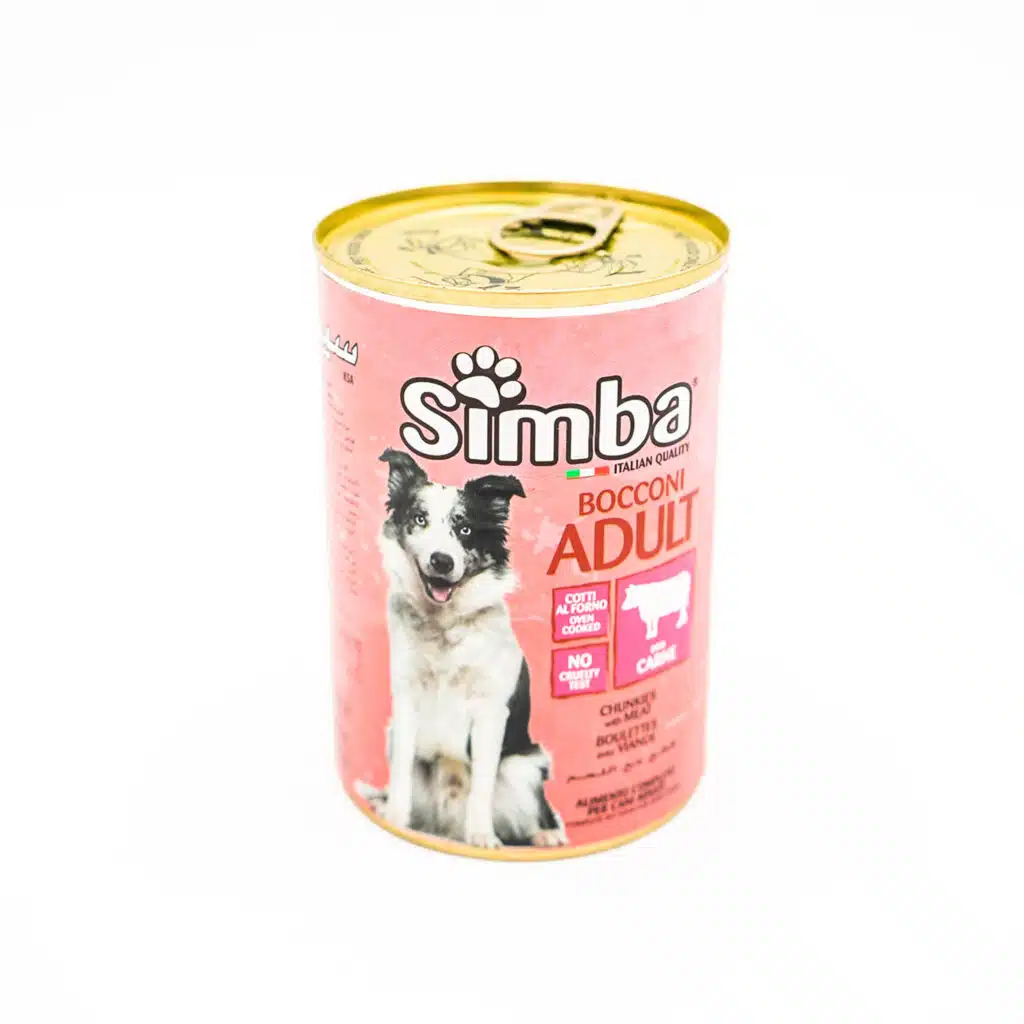
Wet food is easier to digest since it’s cooked and soft. This makes it perfect for dogs with sensitive stomachs or dental issues. The tender texture can also encourage eating, especially for dogs with reduced appetite or dental problems. For example, Simba Dog Chunks with Beef provides a tender texture that’s gentle on the digestive system while delivering protein and iron for strength.
Raw food can be harder on some digestive systems, especially for dogs not used to it. Some may also develop bacterial imbalances if the meat isn’t handled properly.
3. Convenience and Cost
Wet food is shelf-stable, requires no preparation, and comes in portioned servings — a big plus for busy pet parents. Clear packaging provides feeding instructions and helps with portion control, ensuring your dog gets the right amount at every meal.
Raw feeding, on the other hand, demands time for sourcing, preparation, and cleaning. It can also be more expensive due to the need for fresh, high-quality ingredients.
4. Palatability and Variety
Dogs love flavorful meals, and wet food offers plenty of variety — from chicken and beef to fish, lamb, and vegetable blends. There is a wide range of flavors available, including lamb, which is a rich source of protein and nutrients for your dog. Options like Monge Bwild Grain Free Puppy – Duck with Pumpkin & Zucchini provide unique combinations of proteins and vegetables, giving your dog both taste and balanced nutrition.

Raw food can also be tasty, but not all dogs adapt to it easily, especially those used to cooked meals.
5. Safety and Hygiene
One major concern with raw feeding is bacterial contamination. Raw meat can carry harmful pathogens like Salmonella or E. coli, which can affect both dogs and humans if mishandled.
Wet food undergoes sterilization during processing, ensuring it’s safe and long-lasting. Many wet dog foods are also free from artificial preservatives, further enhancing their safety. For households with children or immunocompromised members, wet food is the safer option.
Can You Combine Wet and Raw Food?
Yes — some pet owners successfully combine both. For instance, you can feed a raw meal in the morning and wet food at night. A combination of wet and raw food, or when you mix wet food with dry dog food or dry kibble, can provide variety and nutritional benefits. However, it’s essential to introduce this gradually and consult a veterinarian to avoid digestive upset.
Mixing can provide variety and keep your dog excited about mealtime while ensuring consistent nutrition through the wet portion. When you mix wet food with dry kibble or dry dog food, it’s important to follow the feeding guidelines provided on the packaging and adjust portions to account for your dog’s calories, weight, and activity level.
Here are some tips: introduce a mixed diet slowly, monitor your dog’s response, and adjust feeding amounts as needed to maintain a healthy body condition.
Making the Right Choice for Your Dog
Ultimately, the best diet depends on your dog’s age, breed, health, weight, activity level, and your lifestyle. Wet food offers complete nutrition with convenience and safety, while raw feeding provides natural freshness — but requires commitment and caution.
If you’re unsure which route to take, talk to your vet or nutrition expert at First Vet Qatar. Vets recommend choosing pet food based on your dog’s weight, activity level, and specific needs, including weight management and support for larger breeds, seniors, and adults. They can help you choose the right food type and portion size for your pet’s needs.
For most dogs, high-quality wet dog food in Qatar provides the perfect balance of nutrition, taste, and practicality — especially when sourced from trusted brands available through First Vet.
FAQs About Wet Dog Food and Raw Feeding
1. Is raw feeding better than commercial dog food?
Not necessarily. While raw food can be natural, it’s difficult to balance without professional guidance. Most commercial wet foods are nutritionally complete and safer for everyday feeding.
2. Can I switch my dog from dry or raw to wet food?
Yes, transition gradually over 7–10 days to prevent digestive upset. Start by mixing small portions of wet food with their current diet.
3. Is wet food suitable for puppies?
Absolutely. Puppies benefit from its soft texture and high moisture content. Formulas like Leo’s Puppy Chunks with Chicken and Turkey are perfect for growth and hydration.
4. How long can wet dog food stay out after opening?
Once opened, refrigerate unused portions and serve within 24 hours. Always discard leftovers that have been out for more than 2 hours.
5. Can I feed wet and dry food together?
Yes, many owners mix them to combine flavor, texture, and balanced nutrition. Just be mindful of overall calorie intake.
In Summary
Choosing between wet food and raw feeding depends on your priorities — safety, convenience, and your dog’s health. For most pet parents, high-quality wet food offers a more balanced, practical, and safe solution. Whether it’s a hearty beef meal or a grain-free duck recipe, you can find the perfect fit for your dog at First Vet in Doha, Qatar.
Disclaimer:
This article is for educational purposes only and does not replace professional veterinary advice. Always consult your veterinarian to select the most suitable diet based on your pet’s specific health condition.


About author
